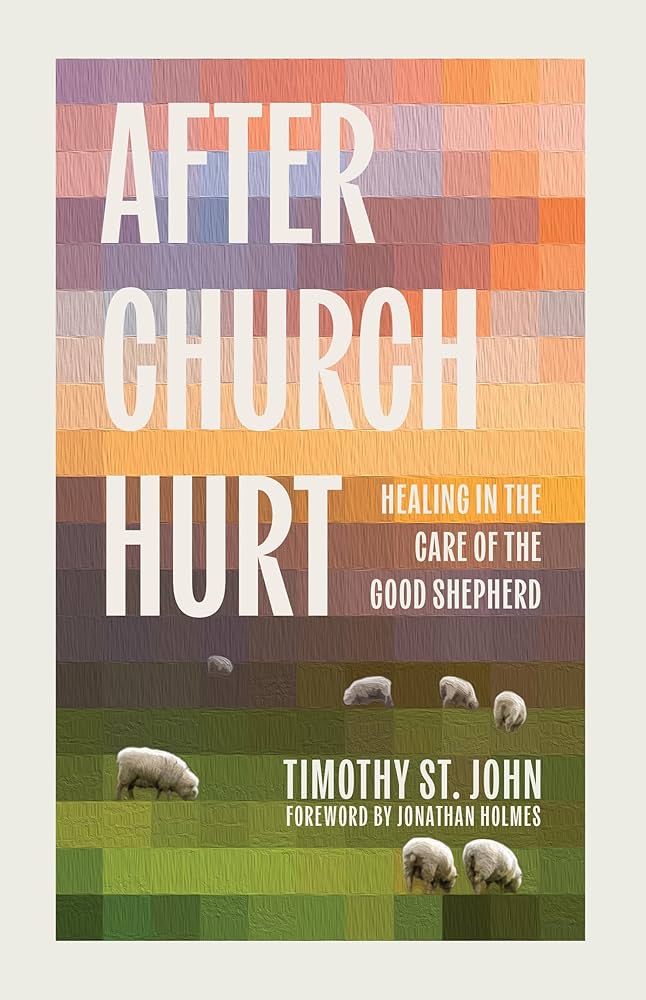
Church hurt can, and frequently does, complicate a sufferer’s ability to accurately distinguish between the voice of God and the voice of their spiritual community. The need for wise, compassionate care in this arena is profound, because it can be the difference between someone who stays close to the Lord in the aftermath of spiritual harm and someone who abandons the faith. In After Church Hurt, Timothy St. John seeks to provide that kind of care, helping wounded believers navigate the painful aftermath of spiritual injury without losing sight of Christ. Through sound doctrine, compassionate expression, and practical encouragement, this book provides a real roadmap forward in the aftermath of spiritual devastation.
St. John serves as the counseling pastor at Lighthouse Community Church in Torrance, CA. He is a respected voice in the Biblical Counseling community and speaks and writes in various contexts on counseling issues. This book represents the formal articulation of what amounts to years of experience counseling those who have suffered spiritual harm at the hands of churches and church leaders.
Church hurt has become a tragically common experience for many believers. As a result, resources that help sufferers navigate such experiences are desperately needed. This volume is short and accessible, making it a useful tool for someone in distress or discouragement in the aftermath of spiritual harm. Its 109 pages are broken down into an introduction, four short chapters, and two appendices. The chapters progress from understanding the issues to reengaging spiritual community. By using real-life stories, St. John captures what it feels like to suffer in these situations. Through practical exercises, he offers concrete guidance for understanding, processing, and responding to the pain. Sufferers who work through this book will, surely, feel seen and understood in their pain, but not left in it. Ultimately, St. John argues that healing from church harm comes through seeking the true Good Shepherd who will never treat us as sinful leaders sometimes do. The subtitle, Healing in the Care of the Good Shepherd, aptly captures both the pastoral warmth and theological center of the book.
The book evidenced genuine knowledge of the impact of church hurt. St. John has clearly counseled many sufferers, and it is evidenced in the way he communicates with wisdom and compassion. Those who have suffered will surely feel represented by his words. He gives expression to the thoughts and feelings of those who have felt let down, hurt, or even betrayed by their church. There is no dismissal of the wounds nor minimizing of the pain. Yet, at the same time, St. John knows how church hurt can tempt sufferers to respond with bitterness, isolation, and fear. While honoring their hurts, St. John also encourages growth in sufferers. He wisely applies Scripture to wounds and to sins in the aftermath of church hurt, and gives guidance on next steps moving forward.
The other strength of the book is its practical bent. He helps sufferers know how to process, discuss, and share their hurt. He helps them know how to determine if separation from the church is necessary and how to work towards reengaging a community of faith. This is not just a book of sympathetic solidarity, it is a work aimed at help. It is a practical tool in that regard and one I will certainly use in counseling. There are words for counselors mixed in and throughout this little book too. The primary focus is on the sufferer, but friends and counselors will find instructions and insights for themselves in its pages. The practicality, then, is multidirectional.
This is a wonderful resources in an area of ministry that needs ongoing insight. Church hurt is everywhere and giving not merely support but guidance for that struggle is a real need. Timothy St. John has provided us a great tool in After Church Hurt. It is short and accessible. It is wise and sympathetic. It is emotionally attuned, theological grounded, and practically helpful. I cannot recommend it enough.

