 Cultural Indulgence
On Sunday evenings my family and I have used to have a regular routine: go to church, visit with our church family after service, and then rush home to catch The Simpsons. It’s was a weekly activity for us to watch the show, which remains one of the best satires of American culture on television to date. As a kid I was not allowed to watch The Simpsons; it was considered inappropriate television, but as an adult I find it to be quality art that asks great questions and offers important critiques, even of the church.[1] I am a firm believer that shows just like The Simpsons, in fact all pop culture and art, can play an important role in the Christian’s spiritual life and daily thoughtfulness. The e-zine I used to write for, Christ & Pop Culture, says it this way:
Pop Culture is everywhere. You can attempt to avoid it, but even if you succeeded, those around you are immersed in it. Pop Culture is more than just television, film, music, and the things people indulge themselves with to pass the time. It’s politics. It’s lifestyle. It’s the common knowledge of our age. You could say it’s the common sense of our age.
In recent days, Christians have attempted to ignore such a thing. After struggling for years to keep from being in the world, we have failed, and instead have succeeded only at being of the world.
This is because we have ignored the signs. All around us God has placed signs. Some of them are caution signs, warning us against the wrong path. Others are open signs, showing us the benefits of something we may otherwise have written off. Rather than take notice, we have turned our back on Balaam’s Donkey. “Donkeys can’t talk, and if they could, they would have nothing of import to say.”
But we forget sometimes that God is sovereign even over donkeys and television sets.
Christ and Pop Culture seeks to acknowledge those signs by discussing and demonstrating exactly how we ought to think about and interact with pop culture.[2]
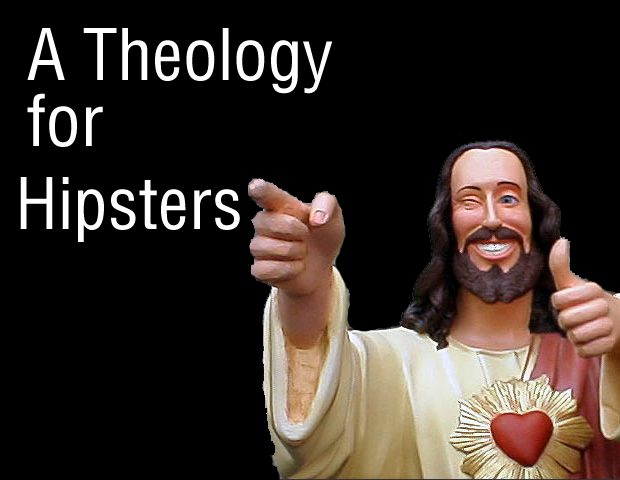
Many a young hipster agrees with these sentiments and often they find some of the most meaningful expressions of their faith come from music and movies. While their Fundamentalist upbringing barred them from experiencing this until late in life they now have come to terms with it and find themselves embracing all sorts of cultural artifacts that their parents would be displeased with. More on that next week.
[1] For more on this see my articles “Barth and Bart: The Simpsons as a Call to Biblical Reformation” (Part 1, Part 2, Part 3, Part 4). Also see Jamey Heit, Reformation in Springfield: The Simpsons, Christianity, and American Culture. New York: Continuum, 2008.
[2] Christ and Pop Culture. About. http://www.christandpopculture.com/about-2/ February 14, 2011.
 Sparrow & Heart Soul Care