Redemption must be remembered. Salvation is, of course, entirely a work of grace, and whether we remember it or not does nothing to alter the finished work of Christ. Yet throughout Scripture God calls His people not only to experience His grace and respond in faith, but also to remember His saving work so that faith may endure across generations.
One of the clearest examples of this principle appears in the institution of the Passover. In Exodus 12, God displays His grace, calls Israel to act in faith, and instructs them to practice sacred remembrance. The Passover begins with grace. Israel does not design its own deliverance; God provides it. What must Israel remember? The graciousness of God. They were saved purely from His good pleasure, not because of anything they had done to earn such salvation. Elsewhere Scripture reminds us that Israel was not chosen because they were the greatest of peoples (Deut. 7:7-8). They were chosen simply because God delighted to display His grace through this tiny nation. When Israel remembered the Exodus and celebrated the Passover, they were recalling the grace of God.
In our own lives we should strive to remember the grace of God. Paul challenges the Corinthians to consider, “What do you have that you did not receive?” (1 Cor. 4:7). The implied answer is: nothing. Everything we have is a gift of grace. We ought therefore to cultivate habits of remembering the ways in which God provides for us. Make lists. Pause to give thanks for the ordinary mercies of your life, not just at meals. Above all, remind yourself of the grace of God in your salvation: “While we were still sinners, Christ died for us” (Rom. 5:8). Meditate often on the undeserved grace displayed in the cross. Remembering grace strengthens our hope (2 Cor. 12:9), emboldens our prayers (Heb. 4:16), and deepens our humility (Eph. 2:8–9).
The Passover also directs Israel to the practice of faith. They were given specific instructions to apply the blood of the lamb to the doorposts of their homes (Ex. 12:7, 12–13). Those who obeyed were spared; those who did not would face the same judgment as the Egyptians. This required that the Israelites act in faith. They had to believe God and take Him at His word, trusting that the blood applied as He instructed would secure their deliverance.
In this way the Passover both required faith and commemorated it. The call in the original event was to act in faith; the memorial, however, was to remember faith. Each year the people of Israel would rehearse the story of that night, recalling how God’s people trusted His promise and obeyed His command. The Passover reminded them again and again of what it looks like to believe God.
Sometimes in moments of hardship, fear, and disappointment it is difficult to act in faith. We may not feel faithful, and it can even seem as though obedience will not matter. In such moments Scripture calls us to remember examples of faith from the past. In many ways this is what Hebrews 11 does. It recalls the lives of men and women who trusted God as an encouragement to present believers. We are told that “faith is the reality of what is hoped for, the proof of what is not seen” (Heb. 11:1), and then we are given example after example of people who lived with that confidence. Remembering faith strengthens our confidence in the “not yet” moments of the Christian life. We recall faith so that we do not lose it when circumstances are hard. Recalling faith in the past helps us hold onto faith in the present.
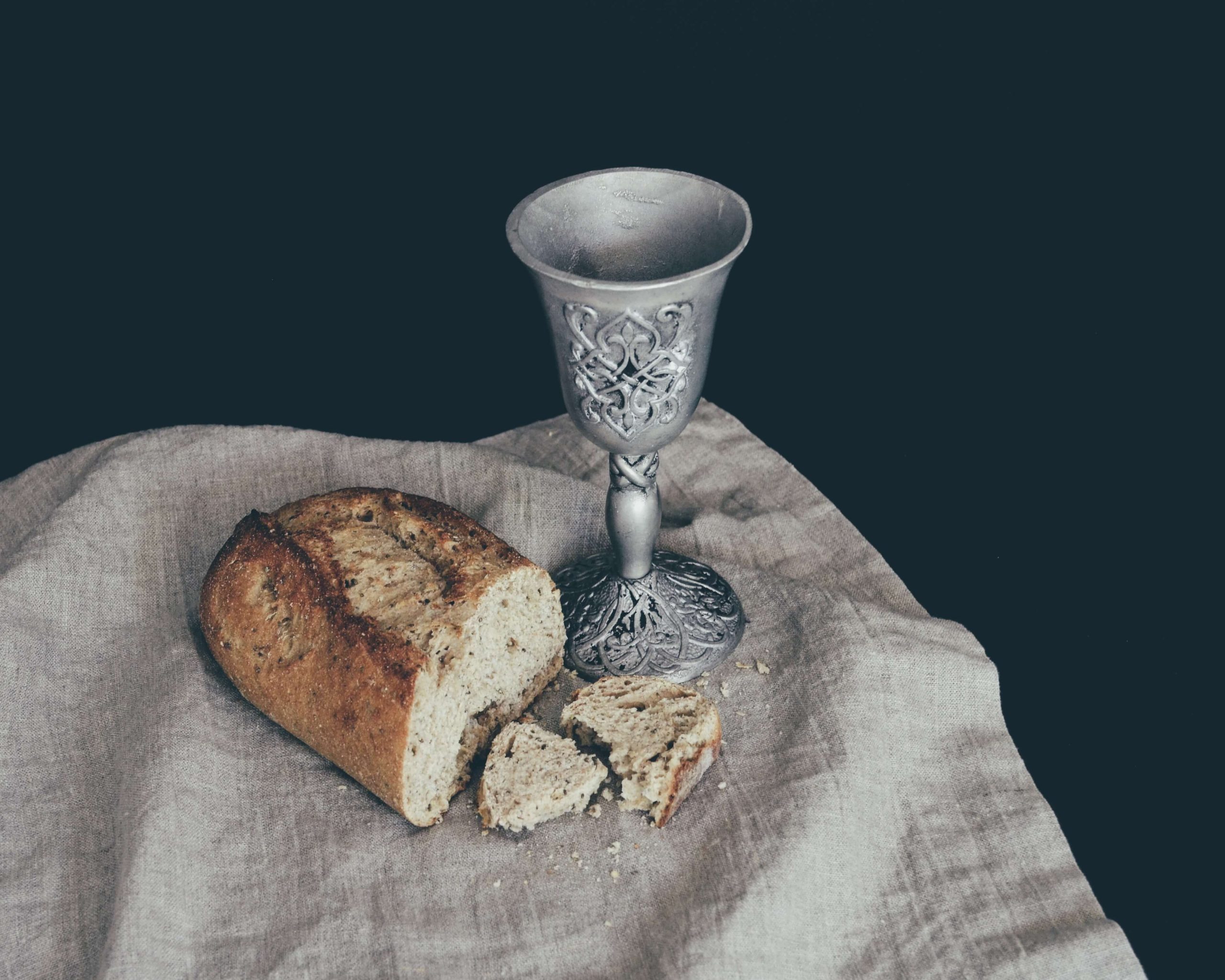
The Passover, then, is an event of sacred remembrance. This kind of memory is spiritually important. We are not merely celebrating the past; we are encouraging present faith and nurturing future hope. This is what Jesus teaches us in His own celebration of the Passover. In Matthew 26, for example, Jesus celebrates the Passover with His disciples but reinterprets it in light of His impending sacrificial death (v. 26-29). The bread now represents His body and the cup now represents His blood, and we take it in remembrance of the cross to celebrate our current redemption in Christ. But He adds that He won’t drink the cup again until He drinks it with His followers in the New Kingdom (v.29). That is a future-oriented celebration (1 Cor. 11:26). We participate in the Lord’s Supper, then, in anticipation of the coming Marriage Supper of the Lamb (Rev. 19:6-9). Sacred remembrance is about the past, the present, and the future. We remember in order to celebrate what God has done in the past. We remember in order to encourage faith in the present. And we remember in order to hope for what God has promised in the future.
 Sparrow & Heart Soul Care