
I read a lot, roughly a book a week. While I don’t always get to read lots of new books, with my year-long study projects, I do get to read some. Here were the best new publications of 2013 that I got to read:
1. Evangelical Theology by Michael Bird
 I was utterly surprised by how much I loved this book. Bird’s approach to systematics is so refreshing, that’s largely because he is not first and foremost a systematician, but rather a New Testament scholar. This different background allows him to bring some fresh eyes to the various topics of standard systematics, as well as to include in his volume some subjects that are often overlooked in standard works. I thoroughly enjoyed this work and will continue to reference it often in my studies. You can read my full review here.
2. Bound Together by Chris Brauns
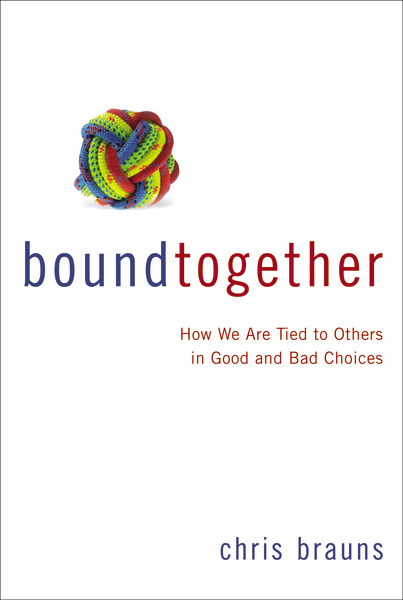 Brauns has found a unique way to speak about the doctrines of original sin and union with Christ while also maintaining theological orthodoxy. This book was both fresh and insightful as well as very practically oriented. It has already proven helpful in thinking through some counseling cases. While it is definitely a theological work the tone of it is also highly pastoral. You can read my full review here.
3. Gray Matters by Brett McCracken
 Nuance is not a strength of the Evangelical church. Here McCracken challenges us to get better at it. By examining a host o cultural elements (music, film, alcohol, etc.) he asks us to develop better tools of discernment and avoid the dual pitfalls of legalism and liberalism. The greatest value of this book is the author’s emphasis on developing proper thinking about the culture around us. McCracken is balanced and gracious in this work and even where readers disagree they need not be directly offended by McCracken’s conclusions. Read my full review here.
4. The World Is Not Ours to Save by Tyler Wigg-Stevenson
 I had not heard of this book or its author when I picked it up. I did so on a whim recommendation from a friend and was so pleasantly surprised. In fact I couldn’t put the book down once I started reading it. Wigg-Stevenson has a great voice in this book which is part autobiographical, part motivational, and part corrective. He writes as an activist to encourage young Evangelicals both to embrace activism, but to do so humbly and Biblically. He worries that the Evangelical obsession with activism today is not rooted in good theology and as a result will leave many disenchanted when things get hard. This is a beautiful work, full of great stories to illustrate points, and grounded in solid theology. Wigg-Stevenson’s own personal story is as compelling as any of the others you’ll read in this volume. See my forthcoming review.
5. Systematic Theology by John Frame
 John Frame is probably the single most important academic theologian in my world. I have benefited more significantly from his writing than any other, and I regularly find him insightful, balanced, and refreshing. Though there are some deficiencies in his systematic, I couldn’t help but love it. His initial discussions on methodology are worth the read. I haven’t completed the whole book yet, I am about half way through, but I’d still put this on my list. Readers of both the Systematics on this list will find plenty to compare and contrast, but having both volumes on your shelf will help you to have a good balanced approach to your own systematic theology. See my forthcoming review.
 Sparrow & Heart Soul Care