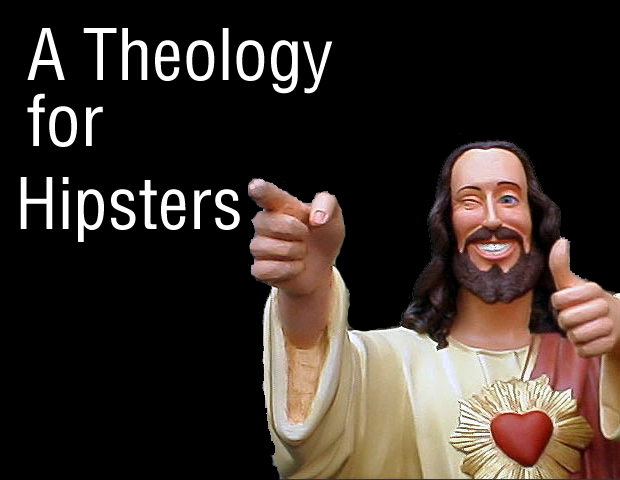
 Before examining in more specific detail the characteristics and interests of the contemporary Christian Hipster I want to remind the reader that my interest is pastoral. Therefore, I want to be careful as we move on that I am not insinuating that the Hipster is the epitome of all Christian living today. I want to avoid the unbalanced presentation that McCracken gives, even if I am doing so from a more positive light. It is necessary to consider, then, some of the dangers that hipsters can tend toward if not careful. To that we turn our attention.
While Christian hipsters are breaking from the legalistic trends of their Fundamentalist forefathers there is a real danger in throwing the baby out with the bath water. We must keep in mind the fundamentals, themselves. Fundamentalism did not start out to be what it has become. The movement was an earnest desire to protect the faith from encroaching theological liberalism which undermined the gospel, the faith, and the Scriptures. Therefore as Hipsters move away from ties and hymns they must take with them the truths of Scripture and the gospel. There are real dangers in abandoning the essentials of the faith as we move away from the non-essentials.
The Open Hand, Closed Hand
I love this explanation, which I first heard from Pastor Mark Driscoll. It recognizes that there are some things which can never change in the faith and some things which must. The open and the closed hand refer to the two different categories of change in the Christian life. The essential doctrines of the faith belong in the closed hand. These are the doctrines and practices that we can never change, or depart from. These include the essential beliefs about Jesus (divinity, virgin birth, death, substitutionary atonement, resurrection, Lordship, exclusivity, and return), about God (exclusivity, triunity, sovereignty, wrath, love, justice, omnipotence, omnipresence, and omniscience), the Scriptures (inspiration, infallibility, inerrancy, authority, necessity, and exclusivity), and the church (necessity, future, and yet fallibility). In the open hand, however, can go all the things that are not essential, and which can and should change with time (ministry practices, philosophical approaches to evangelism and outreach, musical styles, communication styles, technological advances, and cultural styles).[1] Sadly, however, some theologians have done hipsters a disservice by failing to recognize this rule and in the process of abandoning fundamentalism have also abandoned the fundamentals. A look at some of the key adaptations, perversions, and heresies that hipsters are in danger of adopting is necessary at this point.
[1] The key distinction here regards what is stated in Scripture and what is normative and what is culturally or contextually bound and not stated in scripture. I recognize there is some disagreement here. Someone like Daryl Hart, for example, will contend that traditional, liturgical, strict psalmody is required according to Scripture, I (along with hundreds of others, including John Frame who has critiqued Hart’s view) would disagree. Nonetheless we can agree on the essentials which determine one’s salvation and orthodoxy. Hart, I assume would say I am being unbiblical in my view on worship, but he would not, I assume chalk me up to the pile of heretics for this.
 Sparrow & Heart Soul Care
I think you’re safe. The beard is probably the most unorthodox thing you’ve got going on right now, bro. 😉