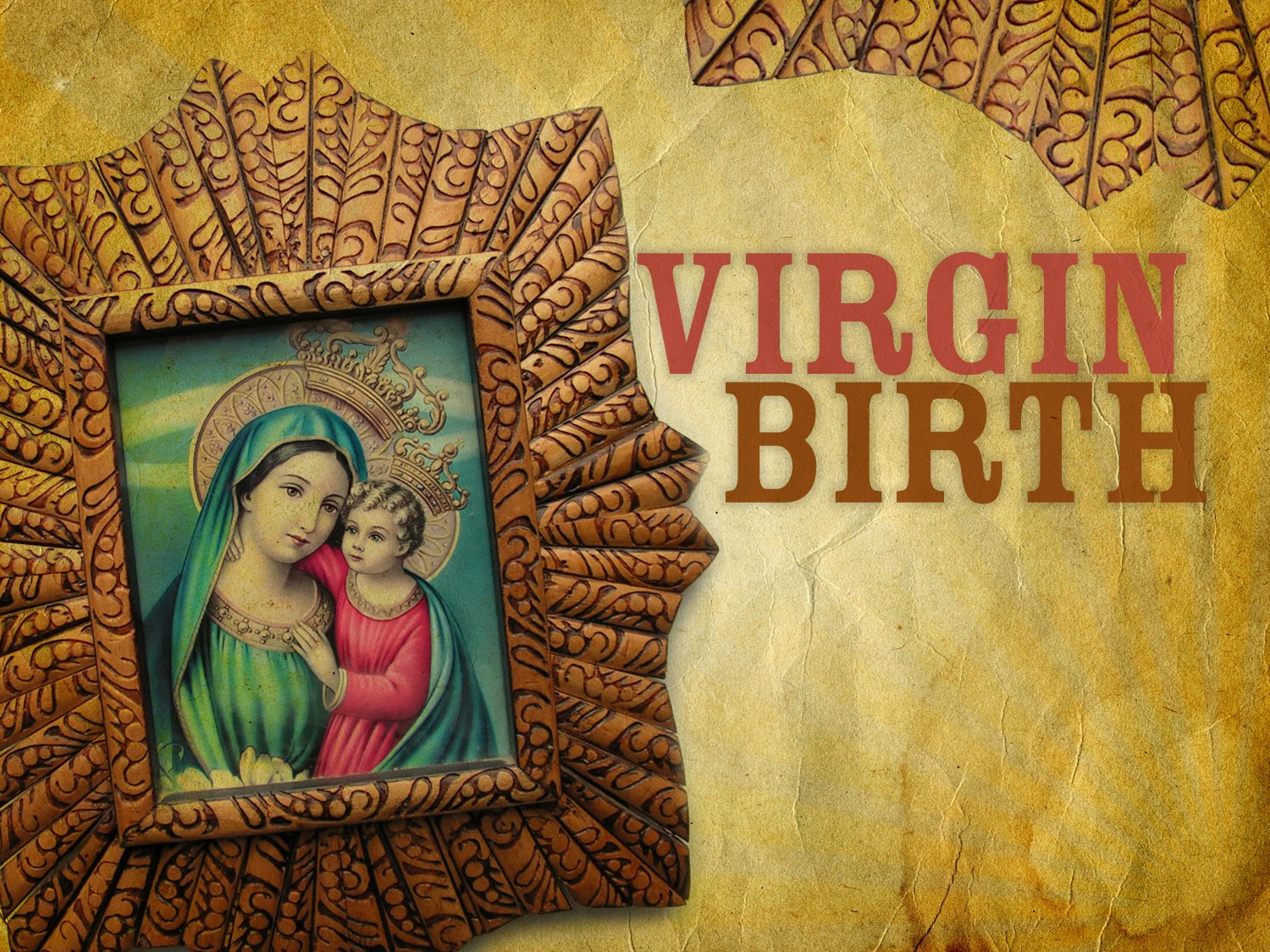
 Is the Virgin Birth a “gospel issue”? Forgive me for sounding like a politician, but that is a complicated question. It depends on what one means by “gospel issue.” In other words, the answer is yes and no.
I believe that the virgin birth is a “closed fist” issue. The last church I was part of had a way of talking about the distinction between central doctrines and those doctrines where disagreement and flexibility were acceptable. Issues of the open hand, we would say, might include disagreements over the end times, limited atonement, or literal seven-day creationism. These are not unimportant issues, but we can disagree on them and still call each other brother/sister in Christ. The closed-fist issues are more essential to the faith. To reject these doctrines or to tamper with them is to more directly impact the gospel itself. We might include in the closed fist doctrines like the Trinity, the authority and inerrancy of Scripture, and the resurrection. The lists for each category could be long, and some people might put different doctrines of different lists. I, for example, am inclined to put the virgin birth in the closed fist. What you believe about the birth of Christ affects what you will believe about the rest of the Bible’s testimony about Him.
The Bible plainly speaks of Jesus’ enigmatic origin. Not only do we have the gospels of Matthew and Luke giving us the unfolding story of the virgin birth, but Paul too alludes to it. In Galatians 4:4 he speaks of Jesus being “born of a woman,” which most likely alludes to the common tradition of Jesus’ birth story. In Mark 6:3 Jesus is called the “son of Mary,” not the son of Joseph – which would have been the common way to refer to him. These simple phrases are suggestive, as Michael Bird says, of the “well-known Jewish polemic that Jesus was a mamzer or illegitimate child” (Evangelical Theology, 365). This is a doctrine then on Biblical grounds we should not quickly dismiss. The accounts in both Matthew and Luke are enough to warrant our faith.
Furthermore, we should note that the doctrine has a long-standing tradition within the orthodoxy of the church. It was quickly formalized in the early church debates against the Docetists (2nd century). The Apostle’s Creed, in addition, only has a total of 75 Latin words, but, as Michael Bird points out, ten of those words are dedicated to “describing the virgin conception” (374). Again, I say, we should not easily dismiss the doctrine.
The truth is that the doctrine communicates a great deal towards understanding the Christology of Jesus. His birth guards his natures: 100% God and 100% man. The reason this doctrine is given formal expression in the early Christological heresies of the early church is because it guards both realities of His nature, and both are essential for understanding who Jesus really is. The testimony of Scripture is that Jesus is the God-man, the virgin birth is necessary for this doctrine. Again, Michael Bird communicates its importance helpfully. He writes:
The virgin conception is of crucial importance if Christian theology was to take the shape that it did, that is, declaring that in the midst of Israelite history God became a man in order to rescue people from the powers of the present evil age. (375)
The virgin birth is, then, necessary.
Now, on the other hand, we might say that it is perfectly possible for someone to come to faith in Christ and not accept the virgin birth. The gospel, after all, at its heart is belief in the death and resurrection of Jesus. Part of the reason the Christological heresies developed in the 2nd century may very well be owing to the fact that some Christians didn’t know anything about Christ’s birth. There may be some in heaven who are pleasantly surprised in this regard. The fact, however, that some may be saved without this belief does not give the church liberty to discount its importance. While I might not make it an immediate test of orthodoxy for an individual, the church any given individual belongs to ought to press them to understand this doctrine Biblically. In other words, thought some may be saved without it, I would still affirm it a closed fist issue. In the words of the great J. Gresham Machen, “Even if the belief in the virgin birth is not necessary to every Christian, it is certainly necessary to Christianity” (The Virgin Birth of Christ, 396).
 Sparrow & Heart Soul Care