 The Bible says a great deal about truth. For some this is a silly suggestion. We can never really know “Truth”, the claim. Not with a capital “T”. We can only really know what our culture or subculture tells us is “truth” (lower case “t”). For others, there is a real desire to know the truth, but they find Christianity simply irrational. The problem, in both cases, is that we have defined truth in impersonal terms. The Bible tells us that truth has its origin in the person of God. Truth, then, is personal, and that makes all the difference in how we approach it.
God is the origin of truth. We read that God can send truth (Psalm 43:3), He speaks truth (Isa. 45:19), He is called the “God of truth” (Isa. 65:16). Jesus is said to be “full of truth” (John 1:14). God’s Spirit is called the “Spirit of truth” (John14:17). The ultimate expression of the personalism of truth in the Biblical worldview, however, is found in John 14:6. Here we read, “Jesus said to him, ‘I am the way, and the truth, and the life. No one comes to the Father except through me.’ ” Here Jesus identifies himself as truth. Truth is not just propositions in the Bible (though it is that), truth is also a person. This means that how we seek to access it is important.
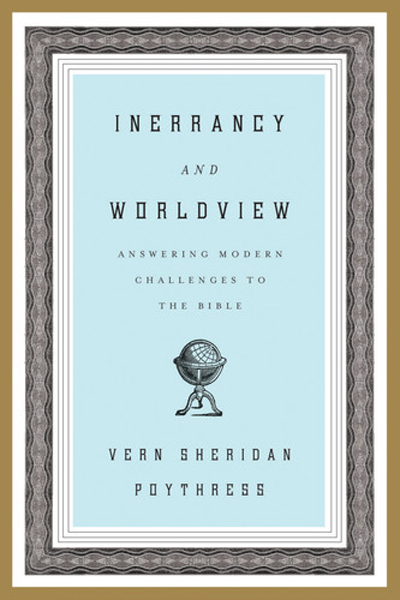
Taking into account the personalism of truth in the Biblical worldview, then, we must consider that the communication of truth in the Bible functions as we would expect truthful communication to function. This means, as Vern Poythress has well articulated, that as we consider the communication of truth in the Bible we must acknowledge that it contains the elements of contrast, variation, and distribution. “Unified pieces of personal action,” Poythress writes, “including verbal communication, can be characterized by contrast, variation, and distribution. These three interlocking features apply in particular to truth in communication” (54). To appropriately understand the Biblical worldview on truth, then, we must consider each of these in turn.
Due to constraints on my time today we will space these out and look at each of them in the coming days. It’s important at this moment, however, to remind ourselves that we are not looking for truth detached from the person of God. We are not looking for mere information upon which to determine the validity of God’s claims. Truth cannot be separated from God. He is Truth. As we wrestle then with how to come to a knowledge of the truth, and how that relates to inerrancy itself, then, we must consider that our approach to truth must begin, by nature, with submission to God. He is the origin of truth, and he sets the standard of truth. In fact the Bible tells us that coming to a knowledge of the truth begins with becoming a disciple of Jesus.
In a very familiar passage in John 8 Jesus tells us that the “truth will set your free.” But it’s important to consider the whole passage in context. Here is what John writes:
30 As he was saying these things, many believed in him. 31 So Jesus said to the Jews who had believed in him, “If you abide in my word, you are truly my disciples, 32 and you will know the truth, and the truth will set you free.” (John 8:30-32)
Note here that truth is found in “abiding” in Jesus’ word and being “truly” his disciple. Matters of truth, then, are matters of discipleship too. We cannot have one without the other according to the Bible.
Because truth in the Biblical worldview is personal, in fact it is a person named Jesus Christ, we can only come to a true knowledge and experience of it if we submit to God. As we turn now to consider the communication of truth, next week, and the elements of contrast, variation, and distribution let us not forget the relationship between truth and discipleship. To know the truth about God we must be willing to submit to God.
 Sparrow & Heart Soul Care