 “So whether you eat or drink or whatever you do, do all to the glory of God” (1 Corinthians 10:31).
The Apostle Paul picks two very mundane things to set up his argument for exhaustive glorification. Eating and drinking are just natural, everyday things. Often we do them without much thought. We need a drink we take one. We get hungry, we fix a sandwich. Paul could have said, “whether you brush your teeth or yawn, do it for the glory of God.” His point is that if we can glorify God even in our eating and drinking then we ought to be glorifying Him in everything else too. That’s true of our reasoning as well.
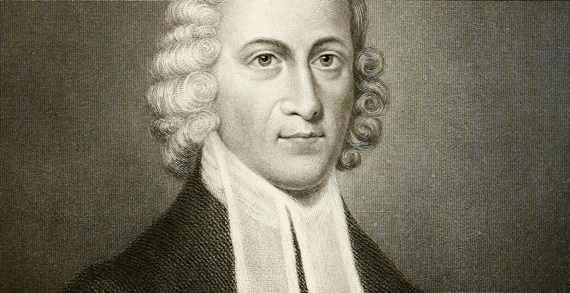
For Jonathan Edwards, reason was a great gift, but it was key not to love the gift more than He loved the giver. Reason and logic are powerful tools that can help us understand better and dig deeper, but for Edwards the use of the mind had an ever greater value. Edwards used his mind to deepen his affections for God. The proper use of the mind is to increase love of God.
Since the dawn of humanity man has struggled to balance his reason and his affection. Where he has failed to use his mind to deepen his love for God, his mind inevitably becomes his god. So with Adam and Even in the Garden, their reasoning about the fruit and all that it could offer them was a way to apply their minds as weapons against truth, against God himself. They submitted to their logic over and against submitting to God. It’s not, of course, that the two are in contradiction, especially prior to the fall. God has given us logic. But our minds have limits and post-fall our minds are corrupted. We should learn from Edwards that our reasoning can provide us great help when it first submits to God. As it does, we will also discover that our minds can compel us to see the glory and beauty of God in ways that we would not otherwise. For Edwards this was the great value of the mind: to highlight the glory of God.
It is both the head and the heart that must be engaged for proper glorification to take place. In his Miscellanies he writes:
God glorifies Himself toward the creatures also in two ways: 1. By appearing to…their understanding. 2. In communicating Himself to their hearts, and in their rejoicing and delighting in, and enjoying, the manifestations which He makes of Himself.
To engage in theological study that is truly honoring to God requires both apprehending God with our minds and delighting in Him with our hearts. Where many in contemporary Evangelicalism have a hard time keeping this balance, Edwards offers us a right perspective. Some in the church downplay the importance of thinking deep thoughts about God. Theology is for academicians and those interested in division. “Just give me Jesus,” they cry. “No creed but Christ,” they say. There is a real reticence towards Christian engagement of the mind. I know some Christian students who avoided my philosophy classes, and those of my colleagues because they thought it wrong and unhelpful to engage critically with the Scriptures or with theology. Such is a travesty.
On the other hand, there are those whose use of the mind has led them to a cold, dispassionate kind of Christianity. They know the truth and they regard nothing else as important. In fact often they are very skeptical of emotion. They would rather argue theology than rejoice with brothers who have a different perspective. They come to subjects with all their reasoning tools ready, but with little joy in the God who created those tools. They love the study of God, sometimes, more than they love the God of the study. But for Edwards, reason alone is not enough to glorify God, we need joy!
“God is glorified,” He writes, “not only by His glory’s being seen, but by its being rejoiced in.” If we do not love what we see and learn of God then we do not honor him. The mind needs to be applied, definitely. But it needs to be applied in helping us to love God better, more deeply. So Edwards continues:
When those that see it delight in it, God is more glorified than if they only see it. His glory is then received by the whole soul, both by the understanding and by the heart. God made the world that He might communicate, and the creature receive, His glory; and that it might be received both by the mind and heart. He that testifies his idea of God’s glory doesn’t glorify God so much as he that testifies also his approbation of it and his delight in it.
The mind is crucial to my theology and my honoring God. But to think rightly about God is not enough! If such knowledge does not move me to love and delight then I do not honor God. The demons know many true things about God, and they tremble, but they do not love him (James 2:19). Our knowledge needs to deepen our affection. That’s the role that Edwards gave to his reason.
If we are not careful our minds will displace God. Idolatry can be both irrational or rational. We need to recover today Edwards’ use of the mind.
 Sparrow & Heart Soul Care